القفقاس حرة
فلسطين حرة
القفقاس حرة
فلسطين حرة

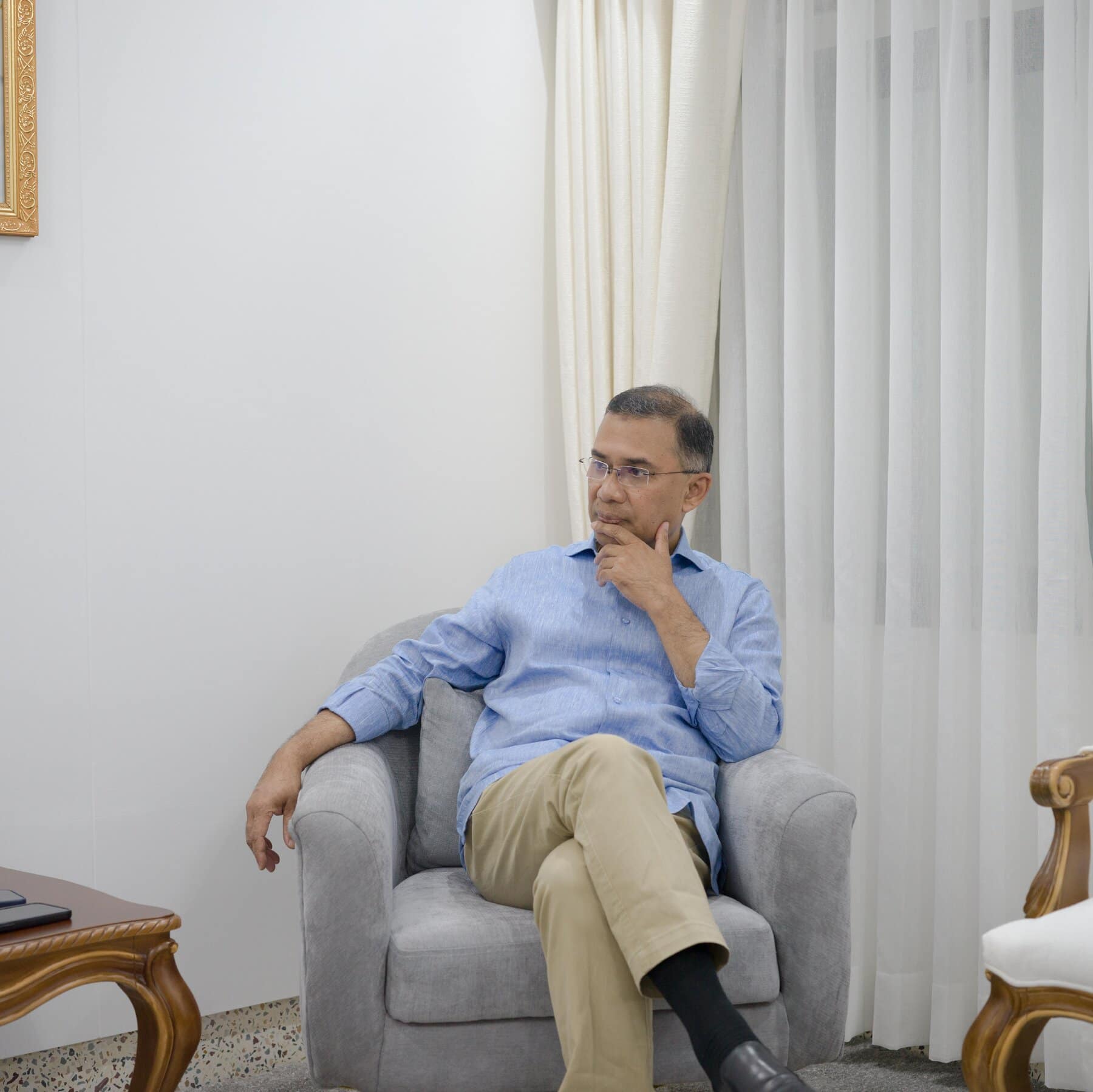
Tarique Rahman, the son of a former president, has been elected as the new leader of Bangladesh, marking a significant shift in the country’s political landscape. His party’s campaign promises included a comprehensive overhaul of the existing system, aiming to bring about substantial change to the nation. However, some critics have expressed skepticism regarding the feasibility of these promises, citing concerns over the party’s ability to deliver on its commitments. The election result has sparked a mixture of reactions, with some hailing it as a new beginning for the country, while others have raised questions about the potential implications of this change in leadership. Rahman’s victory is seen by many as a testament to his party’s strong grassroots support and effective campaign strategy.
The new leader’s political background is marked by controversy, with some accusing him of being out of touch with the needs of the common people. Despite these criticisms, Rahman has maintained a strong support base, which was instrumental in his party’s victory. His campaign focused on addressing the country’s pressing issues, including economic growth, education, and healthcare. By promising to reform the existing system and bring about positive change, Rahman’s party was able to resonate with a significant portion of the electorate. However, the road ahead is expected to be challenging, with the new government facing numerous obstacles in its bid to implement the promised reforms.
One of the primary concerns surrounding Rahman’s leadership is his ability to unite the country, given the deep-seated divisions that exist within Bangladeshi society. The new government will need to navigate these complexities carefully, ensuring that the needs of all segments of the population are addressed. This will require a delicate balance between catering to the demands of various interest groups and making difficult decisions that may not be universally popular. Rahman’s leadership style and ability to build consensus will be crucial in this regard, as he seeks to establish his government’s credibility and build trust with the people.
The international community is watching the developments in Bangladesh with interest, given the country’s strategic location and potential for economic growth. The new government’s foreign policy stance is expected to be a key factor in shaping the country’s relationships with other nations, particularly in the context of regional trade agreements and security alliances. Rahman’s party has indicated its intention to pursue a more assertive foreign policy, aiming to protect Bangladesh’s interests and promote its economic development. However, this approach may also lead to increased tensions with neighboring countries, highlighting the need for careful diplomacy and strategic decision-making.
As the new government begins to take shape, attention is turning to the key challenges that it will need to address in the coming months. These include tackling corruption, improving the business environment, and enhancing the country’s infrastructure. Rahman’s party has pledged to take a tough stance on corruption, which is seen as a major obstacle to economic growth and development. The government will also need to invest in human capital, focusing on education and healthcare to equip the workforce with the skills needed to compete in the global economy.
The election of Tarique Rahman as Bangladesh’s new leader marks a significant turning point in the country’s history, presenting both opportunities and challenges. While his party’s victory has generated a sense of optimism and hope for change, it is clear that the road ahead will be fraught with difficulties. The new government will need to demonstrate its ability to deliver on its promises, while also navigating the complexities of Bangladeshi politics and addressing the concerns of various stakeholders. As the country embarks on this new chapter, the world will be watching with interest, eager to see how the new leadership will shape the future of Bangladesh.
In conclusion, the election of Tarique Rahman as Bangladesh’s new leader is a significant development that has the potential to bring about substantial change to the country. While there are concerns and doubts surrounding his leadership, it is clear that his party’s victory represents a desire for change among the Bangladeshi people. The new government will need to work tirelessly to address the country’s pressing issues, while also establishing its credibility and building trust with the people. As the country moves forward, it is essential that the government remains committed to its promises and works towards creating a brighter future for all Bangladeshis.
Keywords: Bangladesh, Tarique Rahman, new leader, election, controversy, doubt, future, political landscape, campaign promises, change, reform, economic growth, education, healthcare, corruption, foreign policy, international community, regional trade agreements, security alliances
Source: New York Times


