القفقاس حرة
فلسطين حرة
القفقاس حرة
فلسطين حرة

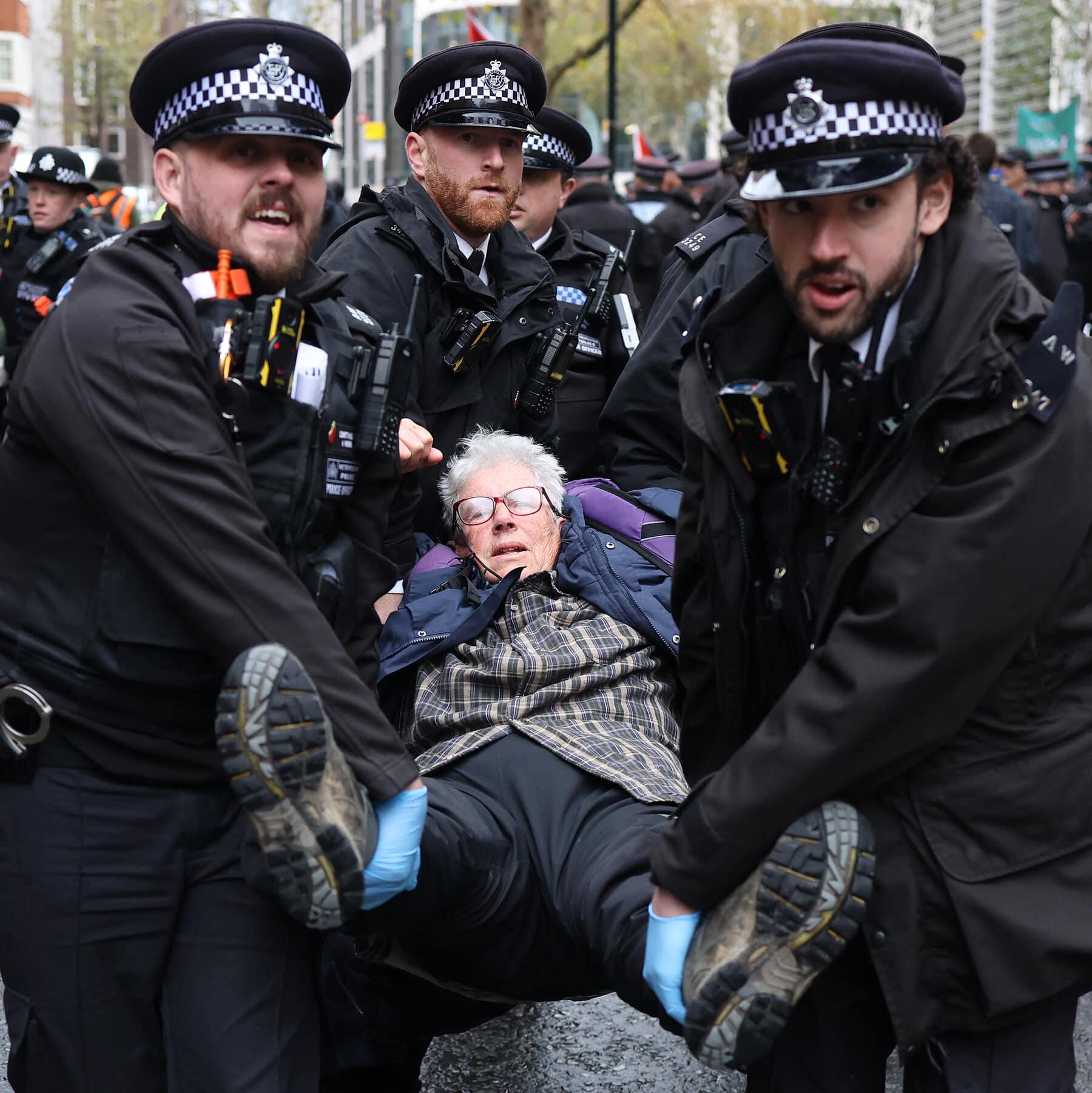
The High Court ruling, which can be appealed, said the British government had overstepped when it banned Palestine Action as a terrorist group. This decision has significant implications for the UK’s counter-terrorism policies and the rights of activist groups. The court found that the government’s decision to ban Palestine Action was not supported by sufficient evidence and was therefore unlawful. The ruling has been welcomed by human rights groups and critics of the government’s counter-terrorism policies. However, the government has indicated that it may appeal the decision, which could lead to further legal battles. The case has highlighted the complexities and challenges of balancing national security with individual rights and freedoms.
The High Court’s ruling was based on a thorough review of the evidence presented by the government and Palestine Action. The court found that the government had failed to provide sufficient evidence to justify the ban, and that the decision was therefore unlawful. The ruling has been seen as a significant victory for Palestine Action and other activist groups who have been critical of the government’s counter-terrorism policies. The case has also highlighted the need for greater transparency and accountability in the government’s decision-making processes. The government’s counter-terrorism policies have been the subject of controversy and criticism in recent years, with many arguing that they are overly broad and infringe on individual rights and freedoms.
The ban on Palestine Action was imposed under the Terrorism Act 2000, which gives the government the power to proscribe organizations that are deemed to be terrorist groups. However, the court found that the government had failed to follow the proper procedures and had not provided sufficient evidence to justify the ban. The ruling has significant implications for the government’s use of the Terrorism Act and its counter-terrorism policies more broadly. The case has also highlighted the importance of judicial oversight and the need for the government to be held accountable for its actions. The government’s decision to ban Palestine Action was widely criticized by human rights groups and other organizations, who argued that it was an attempt to silence legitimate dissent and activism.
The High Court’s ruling has been welcomed by Palestine Action and other activist groups, who have argued that the ban was an attempt to silence their voices and restrict their ability to campaign for their cause. The ruling has also been seen as a significant victory for human rights and the rule of law. The case has highlighted the importance of protecting individual rights and freedoms, even in the context of counter-terrorism policies. The government’s decision to ban Palestine Action was seen as a heavy-handed and overly broad response to the group’s activism, and the court’s ruling has provided a much-needed check on the government’s power.
The government has indicated that it may appeal the decision, which could lead to further legal battles. The case has significant implications for the government’s counter-terrorism policies and its use of the Terrorism Act. The ruling has also highlighted the need for greater transparency and accountability in the government’s decision-making processes. The government’s counter-terrorism policies have been the subject of controversy and criticism in recent years, with many arguing that they are overly broad and infringe on individual rights and freedoms. The case has also highlighted the importance of judicial oversight and the need for the government to be held accountable for its actions.
The High Court’s ruling is a significant development in the ongoing debate about counter-terrorism policies and individual rights. The case has highlighted the complexities and challenges of balancing national security with individual rights and freedoms. The government’s decision to ban Palestine Action was seen as a heavy-handed and overly broad response to the group’s activism, and the court’s ruling has provided a much-needed check on the government’s power. The ruling has significant implications for the government’s use of the Terrorism Act and its counter-terrorism policies more broadly. The case has also highlighted the importance of protecting individual rights and freedoms, even in the context of counter-terrorism policies.
The ruling has been welcomed by human rights groups and critics of the government’s counter-terrorism policies. The case has highlighted the need for greater transparency and accountability in the government’s decision-making processes. The government’s counter-terrorism policies have been the subject of controversy and criticism in recent years, with many arguing that they are overly broad and infringe on individual rights and freedoms. The High Court’s ruling has provided a much-needed check on the government’s power and has highlighted the importance of judicial oversight. The case has significant implications for the government’s use of the Terrorism Act and its counter-terrorism policies more broadly.
Keywords: UK government, Palestine Action, High Court, terrorism, counter-terrorism, human rights, judicial oversight, individual rights, freedoms, national security, Terrorism Act 2000
Source: New York Times


