القفقاس حرة
فلسطين حرة
القفقاس حرة
فلسطين حرة

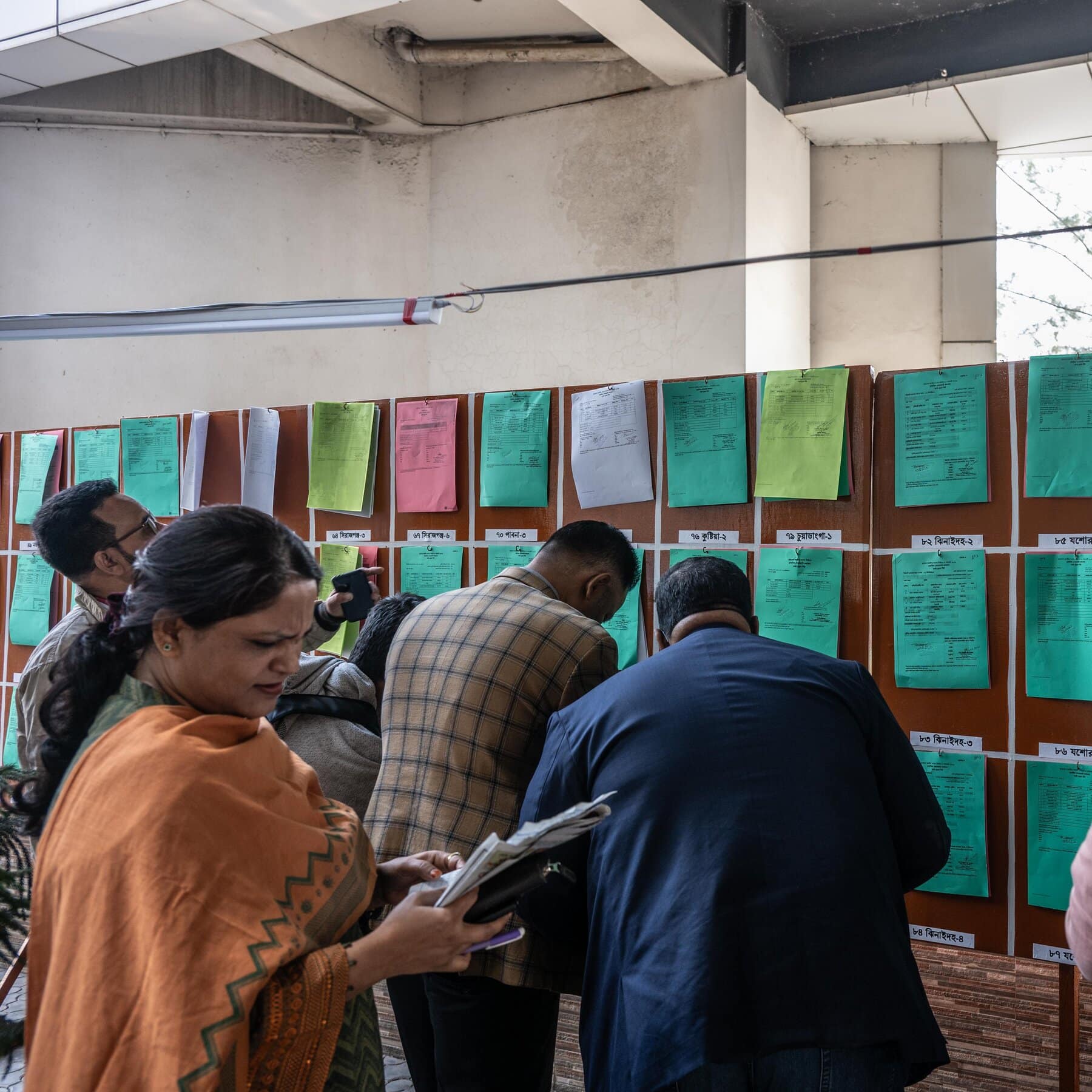
Bangladesh has witnessed a historic turnout in its recent referendum, with citizens flocking to the polls to cast their votes on proposed constitutional changes. The reforms, aimed at strengthening democracy and promoting greater female representation in politics, garnered significant support from the populace. Eight out of 10 voters backed the reforms, indicating a strong desire for change and progress within the country. This outcome is seen as a significant step forward for Bangladesh, as it seeks to consolidate its democratic institutions and ensure greater inclusivity in the political process. The high voter turnout and the clear mandate in favor of the reforms underscore the population’s commitment to democratic values and their willingness to participate in the shaping of their country’s future.
The referendum’s outcome has been welcomed by various segments of Bangladeshi society, with many viewing it as a crucial step towards enhancing the role of women in politics. The proposed constitutional changes are designed to increase women’s participation in the political sphere, thereby contributing to a more diverse and representative government. This development is expected to have far-reaching implications for the country, as it strives to achieve greater gender equality and empower women to take on leadership roles. By supporting these reforms, the people of Bangladesh have demonstrated their commitment to creating a more just and equitable society.
The success of the referendum can be attributed to the efforts of various stakeholders, including the government, civil society organizations, and the media. These entities played a crucial role in raising awareness about the proposed reforms and encouraging citizens to participate in the voting process. The high level of civic engagement witnessed during the referendum is a testament to the effectiveness of these efforts and highlights the importance of collaboration between different segments of society in promoting democratic values. As Bangladesh continues on its path of democratic consolidation, the experience gained from this referendum is likely to serve as a valuable lesson for future endeavors.
The international community has also taken notice of Bangladesh’s referendum, with many observers praising the country’s commitment to democratic principles. The peaceful conduct of the referendum and the high voter turnout have been particularly commendable, given the challenges that many countries face in organizing such exercises. Bangladesh’s experience serves as an example for other nations seeking to strengthen their democratic institutions and promote greater civic engagement. The country’s ability to organize a successful referendum, despite the complexities involved, is a reflection of its growing maturity as a democracy.
In the aftermath of the referendum, the government of Bangladesh is expected to take steps to implement the proposed constitutional changes. This process is likely to involve a range of activities, including the drafting of new legislation and the establishment of mechanisms to ensure the effective implementation of the reforms. The government will need to work closely with various stakeholders, including civil society organizations and the opposition, to ensure that the reforms are implemented in a manner that is consistent with the will of the people. By doing so, the government can help to reinforce the democratic gains made during the referendum and set the country on a path of sustained progress.
The outcome of the referendum has significant implications for the future of Bangladeshi politics. The increased participation of women in the political process is expected to lead to a more diverse and representative government, which in turn can contribute to more effective governance and decision-making. Furthermore, the experience gained from the referendum can serve as a catalyst for further reforms, as the country seeks to address other challenges and consolidate its democratic institutions. As Bangladesh looks to the future, the success of the referendum provides a strong foundation for the country’s continued growth and development.
In conclusion, the recent referendum in Bangladesh has marked an important milestone in the country’s democratic journey. The overwhelming support for constitutional reform and the high voter turnout are testaments to the population’s commitment to democratic values and their desire for progress. As the country moves forward, it is essential that the government and other stakeholders work together to implement the proposed reforms and build on the momentum generated by the referendum. By doing so, Bangladesh can continue to strengthen its democratic institutions and create a brighter future for its citizens.
Keywords: Bangladesh, referendum, constitutional reform, democracy, women’s participation, civic engagement, democratic institutions, gender equality, political process
Source: New York Times


