القفقاس حرة
فلسطين حرة
القفقاس حرة
فلسطين حرة
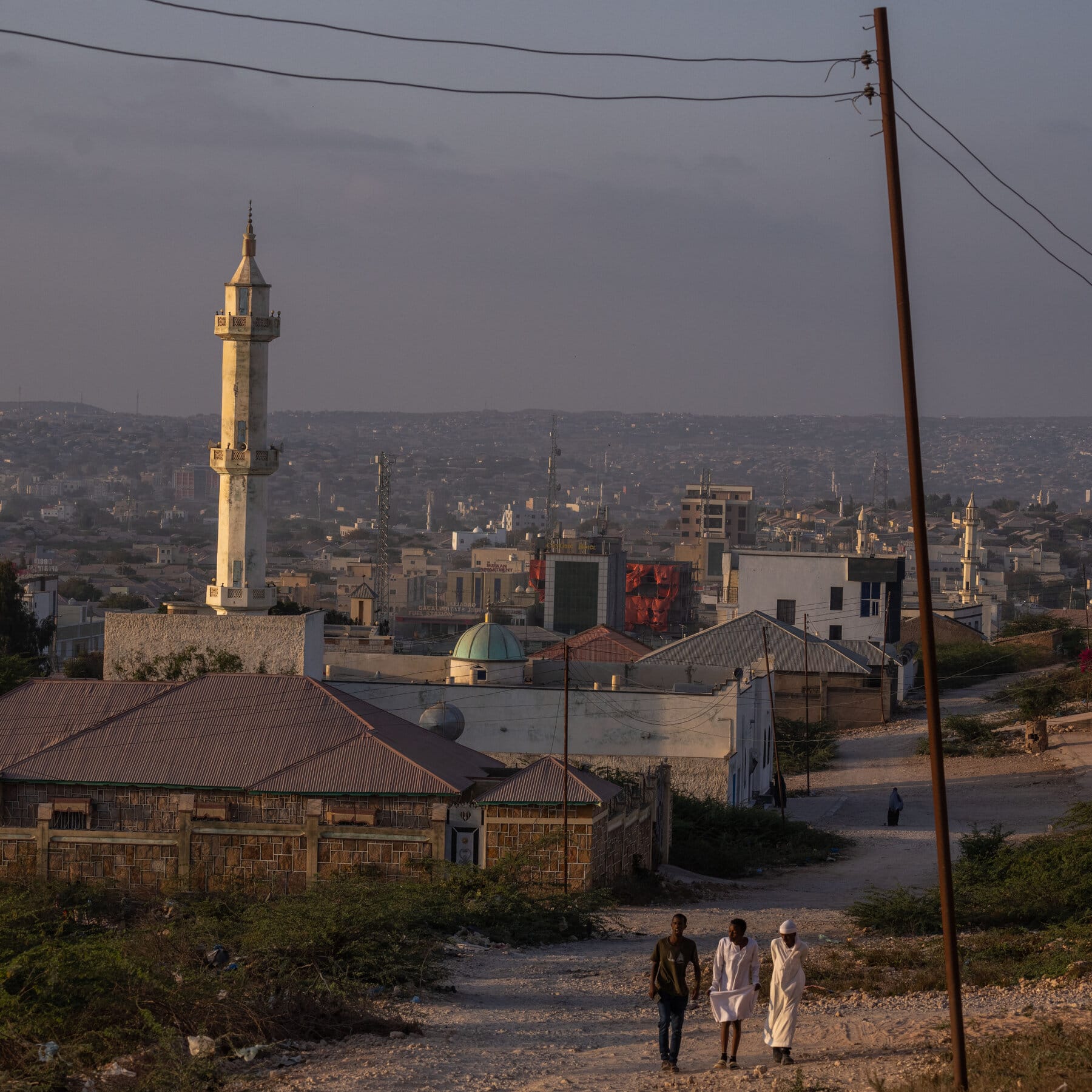
The region of Africa has become a critical theater for global rivalries in recent years, with various countries vying for influence and power. Israel’s recognition of breakaway Somaliland is the latest development in this complex geopolitical landscape. This move has significant implications for the region, as it could potentially alter the balance of power and create new alliances. The international community is watching with keen interest, as the situation continues to unfold. Israel’s motivations for recognizing Somaliland are not entirely clear, but it is likely that the country is seeking to expand its diplomatic and economic ties in the region.
The United States has also been actively engaged in the region, with a focus on counterterrorism efforts. Washington’s involvement in Africa is part of a broader strategy to combat global terrorism and promote stability. However, the US approach has been criticized by some, who argue that it is overly militarized and does not adequately address the root causes of extremism. Despite these criticisms, the US remains a key player in the region, and its actions are closely watched by other countries. The intersection of US and Israeli interests in Africa is a complex and multifaceted issue, with both countries pursuing their own agendas.
The recognition of Somaliland by Israel has been met with a mixed reaction from the international community. Some countries have welcomed the move, while others have expressed concern or outright opposition. The African Union has been particularly critical, arguing that Israel’s actions undermine the territorial integrity of Somalia. The situation is further complicated by the fact that Somaliland is not recognized as a sovereign state by the international community, despite having declared independence in 1991. The implications of Israel’s recognition of Somaliland are still unclear, but it is likely to have significant consequences for the region.
Israel’s interest in Africa is not limited to Somaliland, as the country has been actively engaged in various initiatives across the continent. These efforts include diplomatic outreach, economic development, and security cooperation. Israel has also been providing humanitarian aid to several African countries, which has helped to improve its reputation and build goodwill. However, the country’s actions in Africa are not without controversy, and some have criticized Israel’s approach as being overly self-interested. Despite these criticisms, Israel remains committed to its Africa strategy, which is seen as a key component of its foreign policy.
The involvement of other global powers in Africa is also an important factor in the region’s geopolitical dynamics. China, in particular, has been actively engaged in Africa, with a focus on economic development and investment. China’s approach has been welcomed by many African countries, who see it as an alternative to traditional Western powers. However, others have expressed concern about China’s growing influence, arguing that it could lead to a new form of colonialism. The intersection of Chinese and Israeli interests in Africa is a complex issue, with both countries pursuing their own agendas.
As the situation in Africa continues to evolve, it is likely that the region will remain a critical theater for global rivalries. The involvement of various countries, including Israel, the US, and China, will continue to shape the geopolitical landscape. The recognition of Somaliland by Israel is just one aspect of this complex issue, and it remains to be seen how the situation will unfold. One thing is certain, however: Africa will remain a key focus of international attention in the years to come.
In conclusion, Israel’s recognition of Somaliland is a significant development in the complex geopolitical landscape of Africa. The move has significant implications for the region, and it is likely to have far-reaching consequences. As the situation continues to unfold, it is essential to closely monitor the actions of various countries, including Israel, the US, and China. The future of Africa is uncertain, but one thing is clear: the region will remain a critical component of global geopolitics.
Keywords: Israel, Africa, Somaliland, US, China, counterterrorism, diplomacy, economic development, security cooperation, humanitarian aid, foreign policy, global rivalries, geopolitics
Source: New York Times


